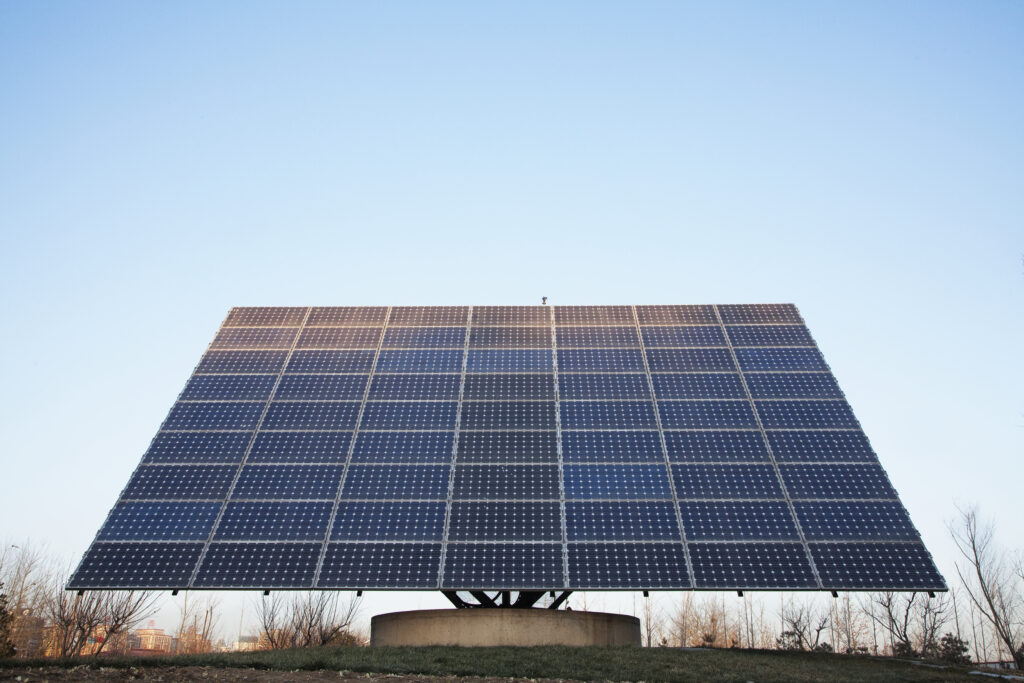
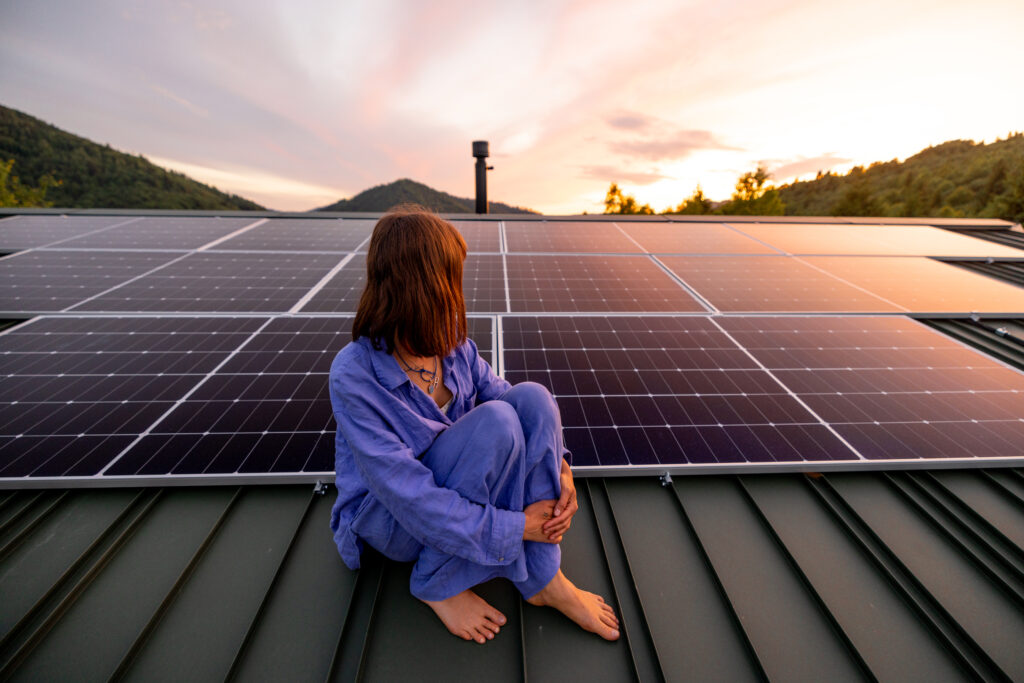
solar rooftop systems have become one of the most popular renewable energy solutions for both residential and commercial buildings. With increasing electricity costs and growing environmental concerns, people are actively searching for cleaner and more affordable alternatives to traditional power sources. Solar rooftop systems offer the perfect balance of sustainability, reliability, and long-term savings, making them a smart investment for the future. Designed to harness the sun’s energy efficiently, these systems can power homes, offices, schools, and industries with ease, significantly reducing dependence on the main electricity grid.
One of the biggest advantages of rooftop solar is its ability to generate clean electricity directly at the point of use. Unlike conventional power plants that require large-scale infrastructure and produce harmful emissions, rooftop solar panels quietly and efficiently convert sunlight into usable power. This not only reduces carbon footprints but also helps reduce the strain on national energy grids. Modern solar modules are highly durable and built to withstand extreme weather conditions such as heat, rain, and storms, making them suitable for long-term outdoor installation.
Solar rooftop systems come in three main types—On-Grid, Off-Grid, and Hybrid—each providing unique benefits. On-grid systems are the most commonly used, as they allow users to export excess electricity back to the utility and earn credit through net metering. Off-grid systems, on the other hand, are perfect for remote or rural areas where electricity supply is limited or unstable. These systems work with battery storage, providing complete independence from the grid. Hybrid systems combine both technologies, ensuring uninterrupted power supply through solar, grid, and battery backup. This flexibility allows every user to choose a system that perfectly matches their needs and budget.
Another significant benefit of solar rooftop systems is the substantial reduction in electricity bills. By generating their own electricity, users can cut monthly power expenses by up to 70–90%. In many areas, government subsidies and incentives further reduce installation costs, making solar more affordable than ever before. Over time, the savings from reduced electricity bills can completely recover the initial investment, after which the system continues to generate free power for many years. With a typical lifespan of 25 years or more, solar rooftop systems offer long-term financial and environmental benefits.
Maintenance is another strong advantage. Solar rooftop systems require very minimal upkeep—usually just periodic cleaning of panels and routine inspections. There are no fuels, moving parts, or complicated machinery involved, making them extremely reliable and cost-effective. With modern monitoring systems, users can even track power generation and performance directly from their smartphones.
As the world moves toward cleaner energy solutions, solar rooftop systems are becoming an essential part of sustainable development. They help reduce pollution, lower energy costs, and promote energy independence. With increasing technology advancements and government support, solar energy is no longer a luxury—it is a practical, affordable, and future-ready solution for everyone. Investing in a rooftop solar system today means securing a cleaner environment, lower bills, and a brighter tomorrow.